Interiors / Chhayakaar Journal
Hotel & Interior Photography: Planning the Shoot
A room-by-room approach to photographing architecture, interiors and hospitality spaces with clarity, atmosphere and useful final coverage.
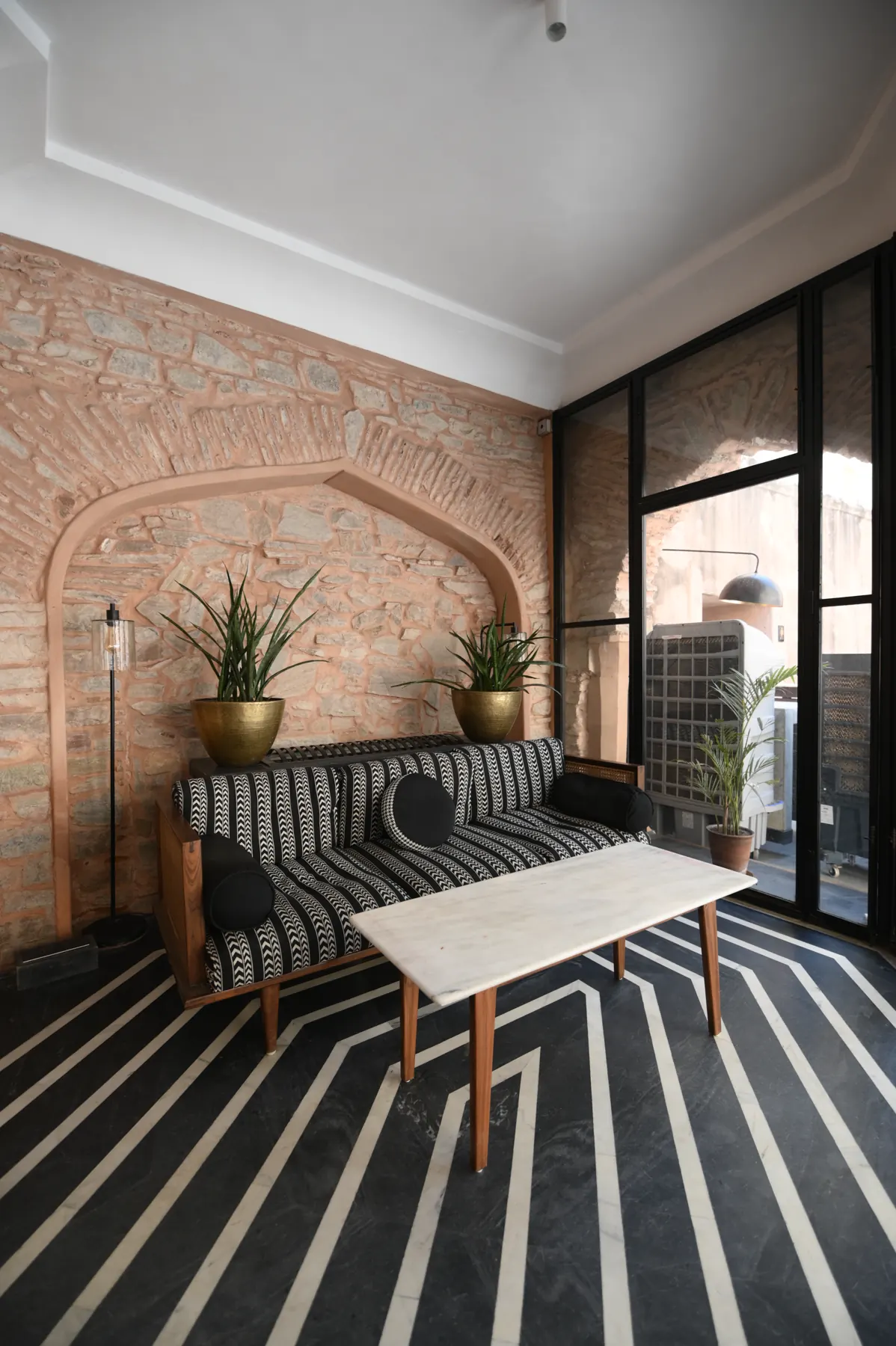
Short answer
A hotel or interior photography shoot should be scheduled around light and operational access, with each space fully finished and styled before its camera window. The shot list should balance architectural clarity, room function, material details and the lived guest experience required by websites, booking platforms, press and awards.
- Walk through every space before finalizing the schedule.
- Plan each room around its best natural-light window.
- Complete maintenance, cleaning and styling before photography begins.
- Separate architectural views from guest-experience moments.
- Confirm booking-platform, editorial and award-submission requirements.
01 / Guide
Build the schedule around light, not room order
Different elevations and rooms reach their best condition at different times. A pre-production walkthrough helps identify when façades, suites, restaurants, pools and public areas should be photographed.
Properties in Jaipur, Udaipur and Jodhpur may combine strong sun, courtyards and reflective stone, while Delhi projects may require more careful coordination around access and exterior conditions. The schedule should respond to the specific site rather than a generic room sequence.
02 / Guide
Make every room camera-ready before its slot
Finish maintenance, remove temporary notices, test lighting, clean glass and reflective surfaces, align furniture and prepare linens in advance. Small inconsistencies become prominent in high-resolution photographs.
Nominate one person who can authorize styling adjustments and coordinate housekeeping, engineering, food and beverage, security and guest access.
- Final furniture, art and decorative objects
- Working architectural and practical lighting
- Clean windows, mirrors, floors and metal surfaces
- Approved linen, amenities and room collateral
- Access permissions and guest-free time windows
03 / Guide
Balance architecture with experience
Wide photographs establish layout, scale and circulation. Mid-range frames explain how spaces connect. Details reveal material, craft and the decisions that make the property specific.
Hotels also need images that suggest use: breakfast arriving, a person entering a pool, a prepared table, a quiet reading corner or staff in service. These should be planned separately so the architectural views remain clean.
04 / Guide
Plan for every destination
A direct-booking website, online travel platform, design publication and architecture award each favour different images. Confirm required ratios, minimum resolutions and any rules about people, branding or digital alteration.
Create a clear priority list for spaces that drive bookings or communicate the design story. Secondary coverage can then expand the library without compromising the essential photographs.
05 / Guide
Allow enough time for a coherent edit
Interior photography is deliberate. Moving between viewpoints, balancing available and introduced light, correcting details and waiting for exterior conditions all take time.
The final edit should feel consistent across different rooms and times of day while preserving the character of each space. Delivery should include channel-ready crops alongside high-resolution masters where agreed.
Frequently asked
Practical questions.
How long does a hotel photography shoot take?
It depends on property size, number of room categories, exterior light, styling and whether lifestyle, food or staff coverage is included. A walkthrough is the best basis for scheduling.
Should guests appear in hotel photographs?
Only when the intended channel benefits from human presence and releases are arranged. Architectural coverage and guest-experience coverage are usually planned as separate frames.
Can food and interior photography be combined?
Yes, but food preparation, restaurant service and room-light windows must be coordinated carefully. They should have separate priorities within the production schedule.